Exploring the World of Lottery: A Game of Chance and Dreams
The Fascination with Lottery
The allure of the lottery is undeniable. For many, it's a tantalizing game of chance that holds the promise of life-changing rewards. The lottery has become an integral part of society, weaving dreams of instant wealth and a brighter future. But what drives this fascination, and why does the keyword 'phjl' appear to be a point of interest in this realm?
A Brief History of Lottery
The origin of lottery games dates back to ancient civilizations. Historical records suggest that lotteries were used as a means to raise funds and support public projects. From the Han Dynasty in China to ancient Rome, lotteries provided a way to amass capital for infrastructure and military conquests. Today, lotteries have evolved into a popular form of entertainment, with participants eagerly anticipating the outcome of each draw.
The Mechanics of Lottery
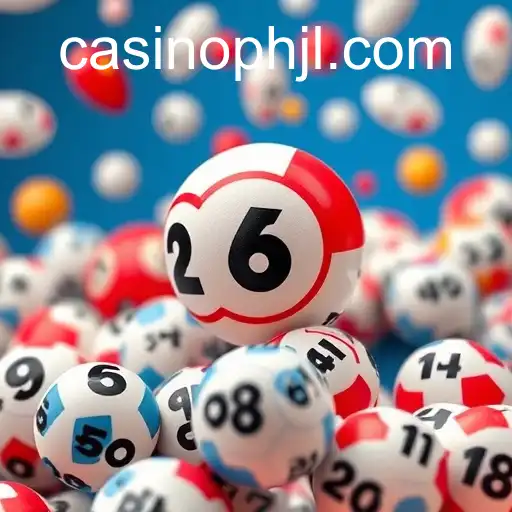
At its core, a lottery is simple: participants purchase a ticket and select a set of numbers. A random draw determines the winning numbers, and those who hold the matching tickets claim the prize. While the concept may appear straightforward, the excitement and anticipation that accompany each draw make it an exhilarating experience for players.
The Role of Probability
In lottery games, probability plays a crucial role. The odds of winning vary depending on the specific game and the number of possible combinations. For instance, a typical national lottery might have odds of one in several million. Despite these long odds, the hope of winning continues to captivate participants. Probability becomes an intriguing element for those who seek to strategize and improve their chances.
Psycho-Social Impact
The lottery can have a profound psychological impact on individuals. For some, it embodies hope and the possibility of a better tomorrow. It also provides a momentary escape from daily challenges, as people indulge in the fantasy of unexpected wealth. However, the emotional roller coaster of anticipation and disappointment can also lead to impulsivity and unrealistic expectations.
The Economy and Lottery
Lottery games contribute significantly to the economy. They generate revenue for governments and fund public services such as education and infrastructure. The appeal of contributing to a collective cause can make the purchase of lottery tickets a more palatable decision for many. Additionally, the lottery industry creates jobs and stimulates business in various sectors, from convenience stores to advertising agencies.
Strategies and Tips
While lottery games are inherently random, some participants employ strategies in hopes of improving their odds. Common approaches include selecting a mix of odd and even numbers, or avoiding consecutive numbers. Some people also analyze past draw patterns, believing that certain numbers appear more frequently. However, it's essential to acknowledge that these strategies do not guarantee success, as the lottery remains a game of chance.
The Enigma of 'phjl'
In the context of lottery discussions, the term 'phjl' may seem enigmatic. It could be a reference to a certain strategy, a nickname for a popular lottery game, or a term within a specific community of players. However, its precise meaning in relation to the lottery remains open to interpretation, adding a layer of mystery to the game.
Lottery: A Cultural Phenomenon
The lottery is not merely a game; it's a cultural phenomenon that transcends borders. Each region and country has unique games, regulations, and winning traditions. From scratch-off tickets to televised draws, the format varies widely. The universal appeal of the lottery lies in its promise of transforming ordinary lives into extraordinary tales of success.
The Future of Lottery
As technology advances, the lottery industry is poised for transformation. Online platforms and digital innovations are making it easier to participate, expanding the reach of lottery games globally. With these advancements, the potential for increased participation and new game formats seems boundless. Yet, the fundamental essence of the lottery—a game of chance that fuels dreams—remains untouched.